
Vienna Christmas Market
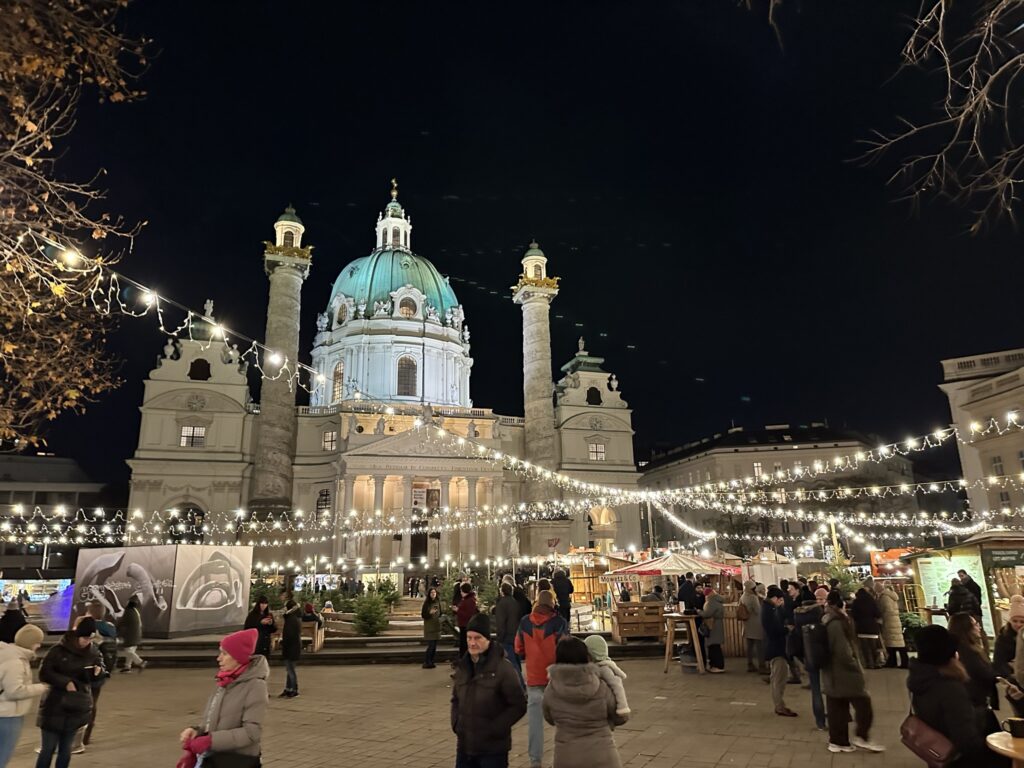
The Vienna Christmas Market is a true marvel for all the senses. Strolling through the streets of the beautifully decorated city, you will be greeted by the scent of warm chestnuts, grilled sausages, and, of course, the essential hot chocolate. The stands in the squares offer a diverse range of handmade products, from traditional Christmas ornaments to unique souvenirs that will bring the holiday spirit to your home.
Every part of the market has its own charm. In Rathausplatz square, the impressive city hall becomes the backdrop for a huge Christmas tree and an ice rink, creating a fairy-tale-like scene. Enjoy ice skating or simply watch others revel in this winter wonder. Also, don’t miss a visit to the traditional wooden stalls offering a wide selection of culinary delights and handicrafts from local artisans.
Why visit Vienna?
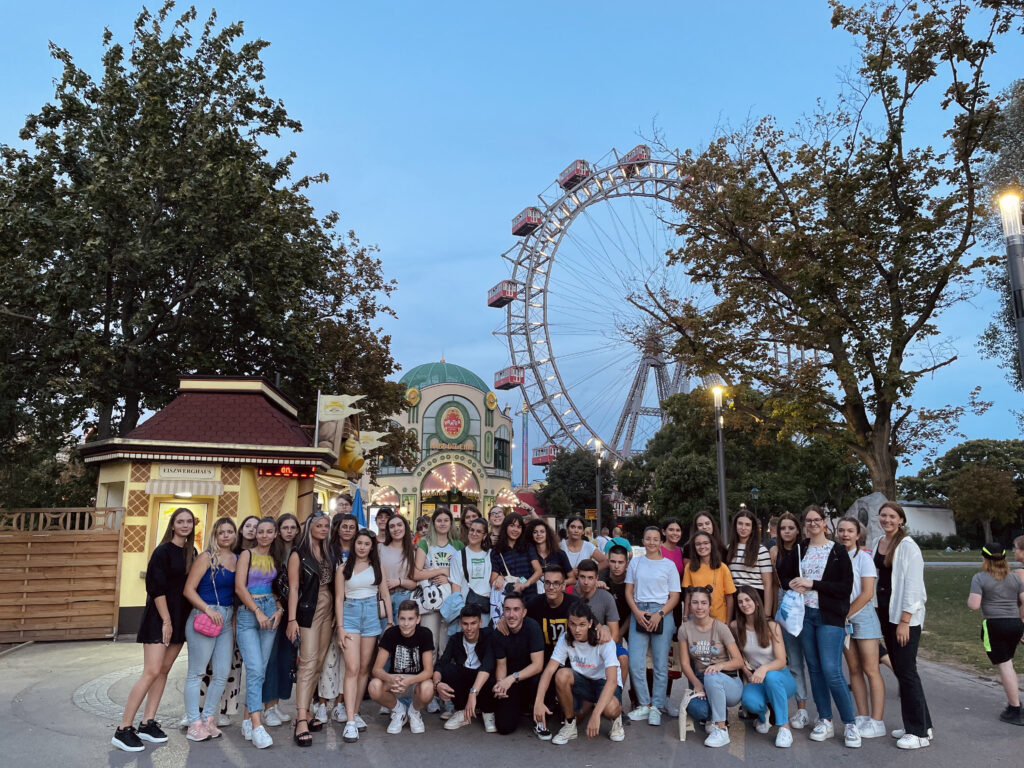
In the heart of Europe lies Vienna, the capital of Austria and a historically imperial city. With a population of almost 2 million people, the city is home to many nations and cultures. The city has an oceanic climate, meaning you will mostly enjoy pleasant weather whenever you decide to visit. The official language is German, and the official currency is the euro (€).
Habsburgs, Schönbrunn Palace, St. Stephen’s Cathedral, Prater are just some of the things that come to mind when you think of Vienna, but the city has much more to offer. Therefore, it might be challenging to come up with a travel plan, but don’t worry because with this guide, you will see why Vienna is the ‘city of dreams.’
How to get to Vienna?
Thanks to its geographical location, Vienna is very easy to visit, whether you prefer traveling by plane, bus, or train. The city is well-connected to all parts of Europe and the world.
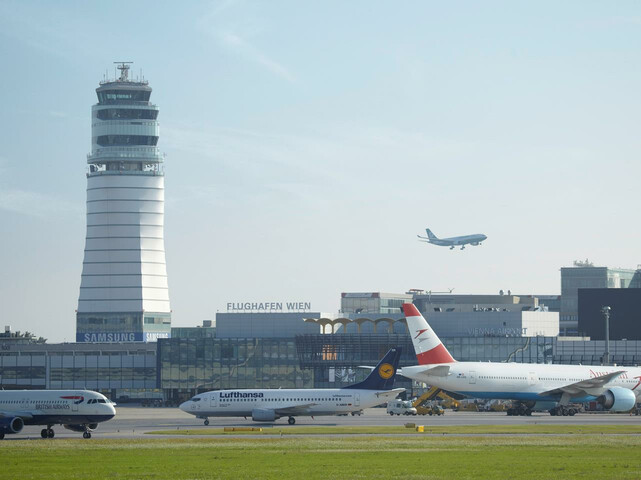
By Plane – Vienna has one international airport called Vienna Airport, located 18 km southeast of the city center. It is easily accessible by public transport, and it takes about 20 minutes from the city center.
By Bus – Vienna has three central bus stations located in different parts of the city, so make sure to check if you need to reach Stadion Center bus station, VIB bus station, or Viedner Gurtel bus station.
By Train – Vienna Hauptbahnhof is the central train station in Vienna, situated a bit further from the city center and very well-connected to all parts of Austria and Europe.
Public transportation in Vienna
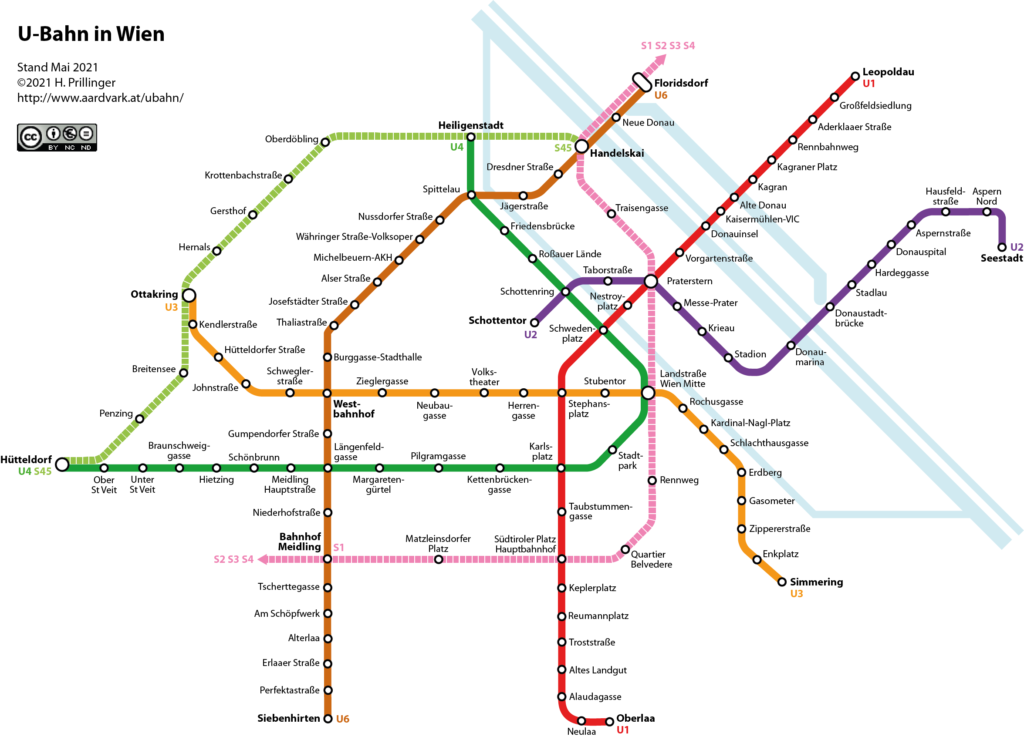
The public transportation network (metro, local train, tram, bus) is managed by Wiener Linien. The public transportation network offers 5 metro lines, 29 tram lines, and 127 bus lines. Using public transport is the most popular way to get around Vienna, with more than 2.6 million people using it daily. For more information on traffic maps, timetables, frequencies, or prices, check their website.
The four main modes of transportation are U-Bahn (subway), Schnellbahn or S-Bahn (local train), Straßenbahn (tram), and bus.
Vienna’s transportation system is based on the principle of ‘honesty and respect.’ There are no formal ticket checks, but you still need to purchase a ticket as you might encounter ticket inspectors asking to see yours. Fines are quite high, so it’s advised not to travel without one.
Parking in Vienna
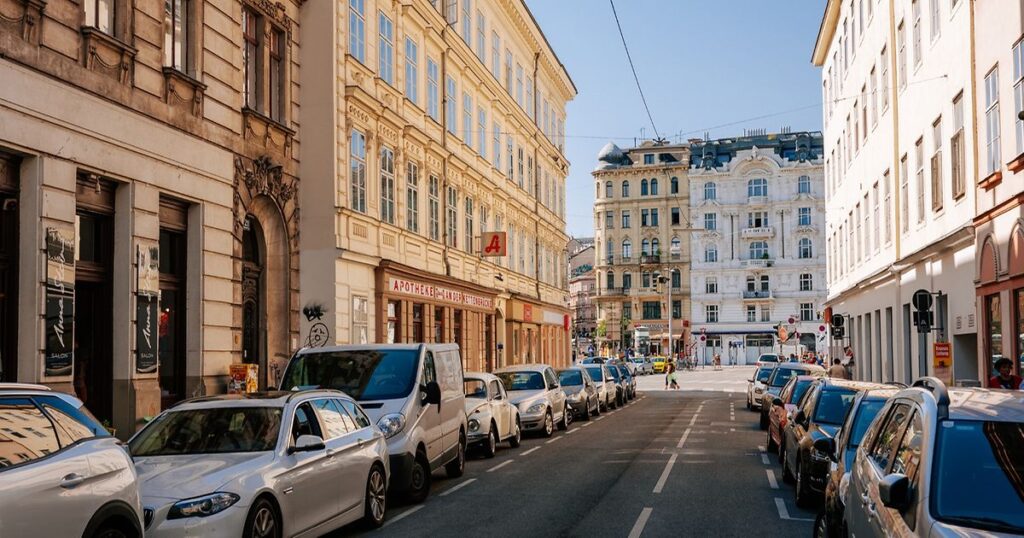
Given the popularity of public transportation in Vienna, it’s not necessary to travel by car to explore the city. However, if you decide to wander by car, you’ll need to find a parking spot. The most convenient way to park is in underground garages or multi-story parking lots, which can be found on almost every corner of the city. Street parking can be challenging because a large part of Vienna is in the ‘Kurzparkzone’ (short-term parking zone), marked with white or blue lines. Depending on the area where you park, you usually have a maximum of 2 hours for on-street parking.
Sights
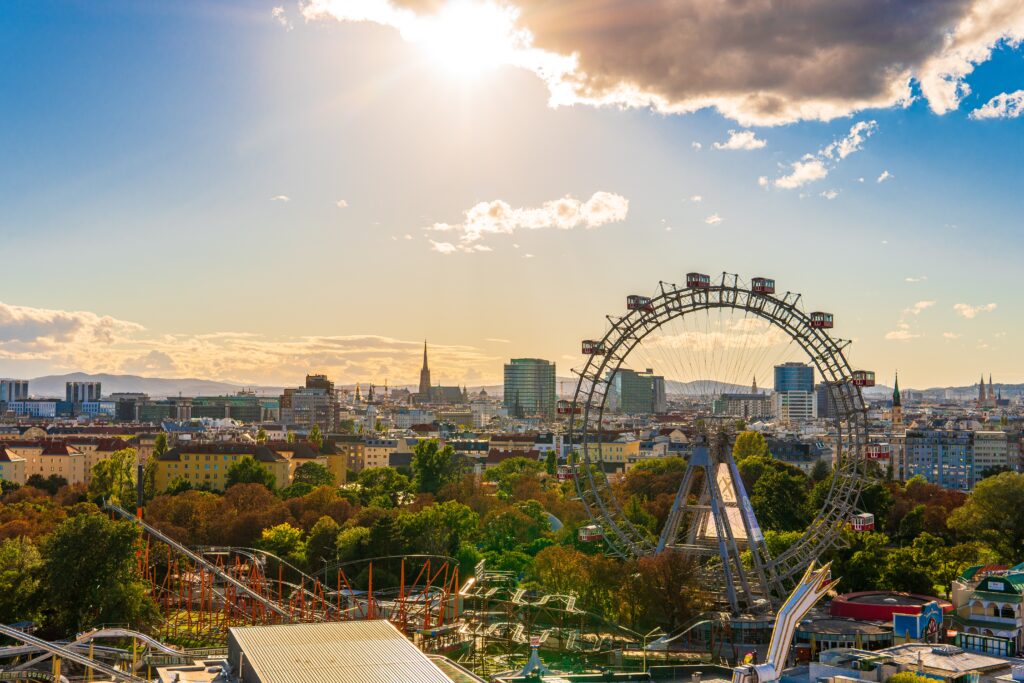
The spectacular architecture and rich history of Vienna have helped the city become internationally recognized as one of the most unique cities in the world. From castles and palaces with historical significance to perfectly preserved breathtaking churches, the city will intrigue you and leave you wanting more. Explore the places you must visit during your trip to the Austrian capital.
Hofburg
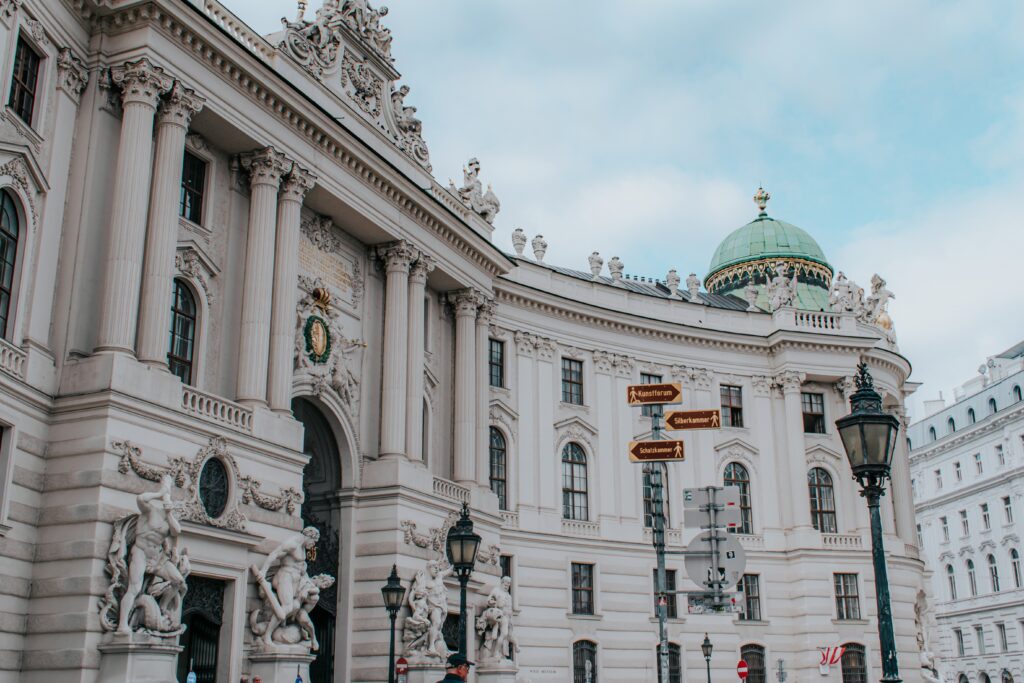
The Hofburg Palace was the winter residence of the Habsburg dynasty until 1918, and today it serves as the official residence and workplace of the Austrian President.
It houses the famous Imperial Apartments, two imperial treasuries, the National Library, six museums, and the renowned Spanish Riding School. Built in the 13th century, it showcases 700 years of architectural history with various styles, from Gothic and Renaissance to Baroque.
Due to its 18 groups of buildings, 19 courtyards, 2,600 rooms, and a sprawling area of 59 hectares, it is often referred to as the ‘city within a city.
Stephansdom
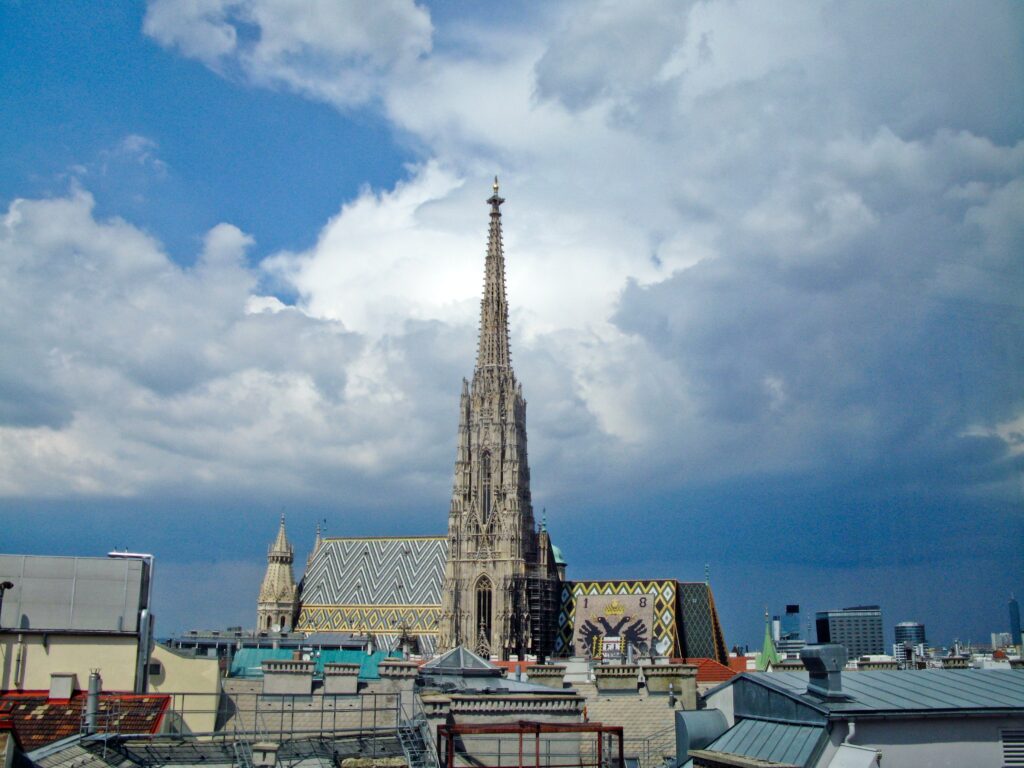
St. Stephen’s Cathedral rises high above the city. Built in 1160, with a tower reaching 137 meters, it was once the tallest building in Europe. The first thing you notice upon entering the cathedral is the giant late Romanesque door, known for its rich decoration featuring birds, monks, lions, and dragons.
Inside the cathedral, you’ll find numerous chapels such as the Tirn Chapel, the burial place of Prince Eugene, the conqueror of the Turks, the St. Catherine’s Chapel, the Chapel of the Elysian Fields, and others. However, the most significant parts of the cathedral are the north and south towers, known for the ‘Pummerin,’ one of the largest swinging bells in Europe, and the beautiful view of the city from the ‘Watchman’s Tower.’
Schönbrunn Palace
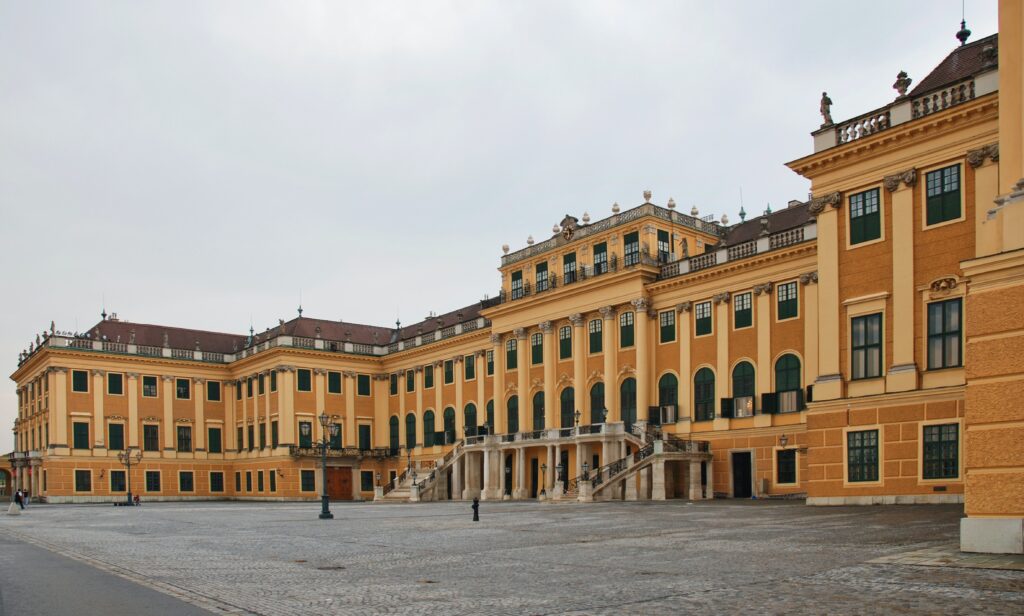
The Schönbrunn Palace was once the summer residence of the Habsburg dynasty and is now the most famous tourist destination in Vienna. The palace boasts a total of 1,441 Rococo-style rooms, of which only 40 are open to visitors. To explore Schönbrunn Palace, you can choose between the Grand Tour or Imperial Tour.
The Imperial Tour takes you to the apartments of Emperor Franz Joseph and his wife Elisabeth, while the Grand Tour offers a visit to all 40 open rooms. After completing the palace tour, take a stroll through the Schönbrunn Gardens and climb up to the Gloriette, where you can enjoy a beautiful panoramic view of the city.
Belvedere Palace
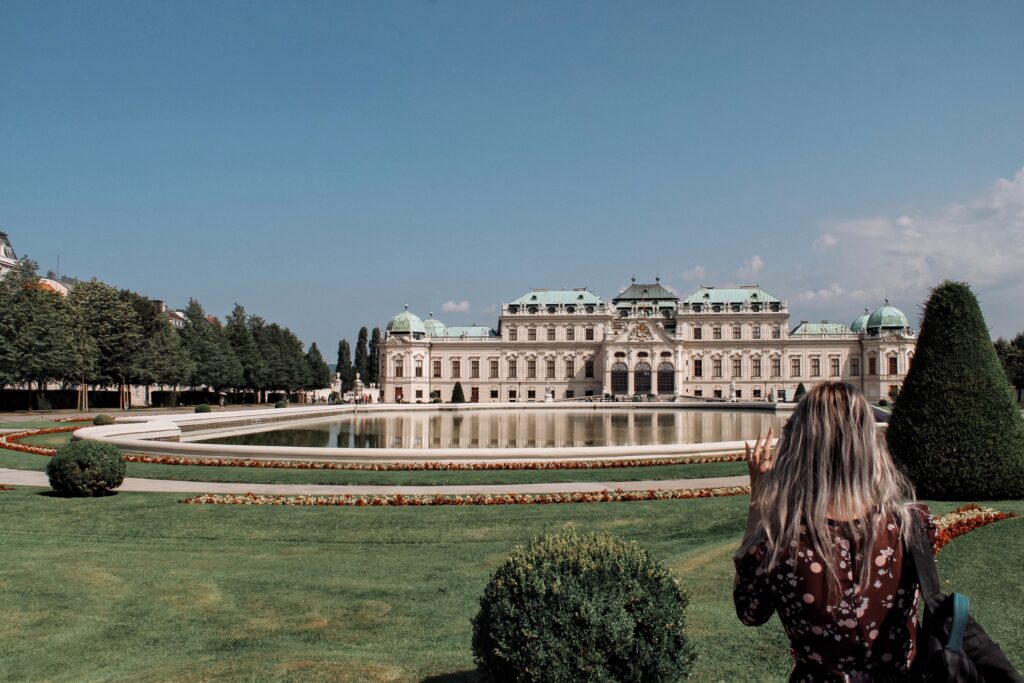
The Belvedere is a complex of two Baroque palaces, the Upper and Lower Belvedere, built for Prince Eugene. It houses some of the most important Austrian art collections, spanning from the medieval period through the Baroque to 19th and 20th-century Austrian art. Some of the most significant works of Secessionist artists such as Gustav Klimt, Egon Schiele, and Oskar Kokoschka can also be found here.
The Natural History Museum
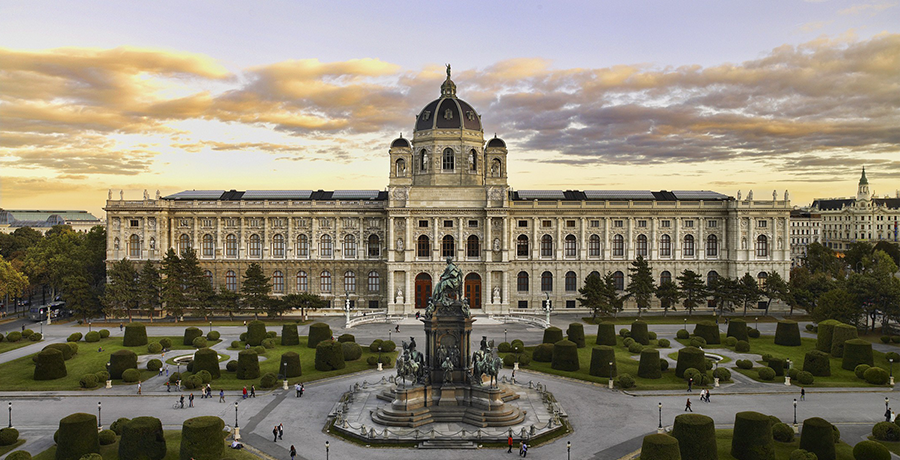
The Vienna Natural History Museum was opened in 1889 and features an extensive collection related to the Habsburgs. The museum showcases around 30 million objects, with the collection continuously growing. Alongside rich anthropological exhibits, the museum houses Tissint, a spectacular meteorite from Mars, and the largest and oldest meteorite collection in the world.
On the museum’s 125th anniversary, a new Digital Planetarium was inaugurated, equipped with technology that allows visitors to embark on fascinating virtual journeys through the Milky Way or Saturn’s rings.
The Art History Museum
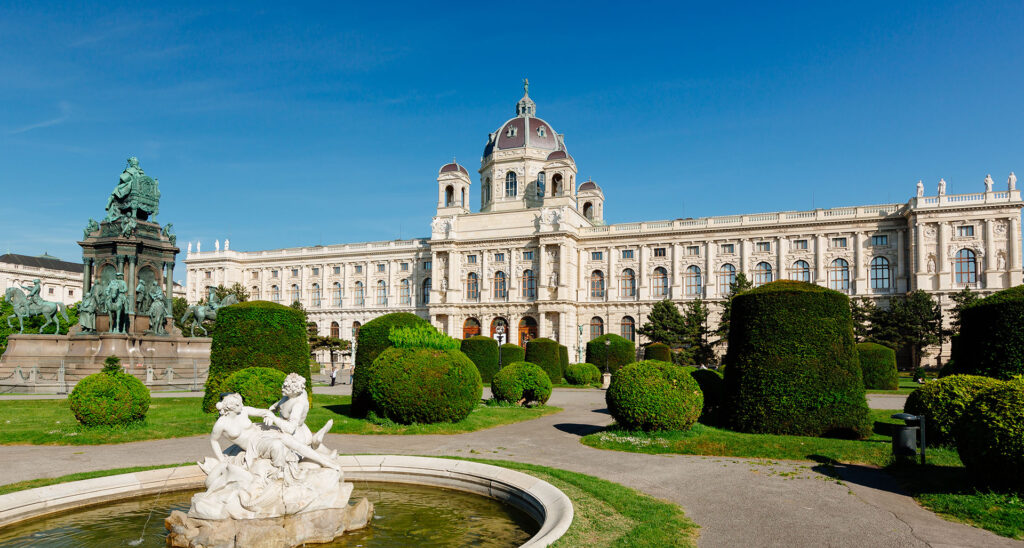
The Kunsthistorisches Museum, or the Art History Museum, is a prominent cultural institution in Vienna. It was inaugurated in 1891 and is known for its vast collection of fine arts and artifacts.
The museum houses an extensive range of European art from the Middle Ages to the modern era. Visitors can explore masterpieces by renowned artists such as Titian, Vermeer, Rembrandt, Rubens, and many others. The collection spans paintings, sculptures, decorative arts, and historical artifacts.
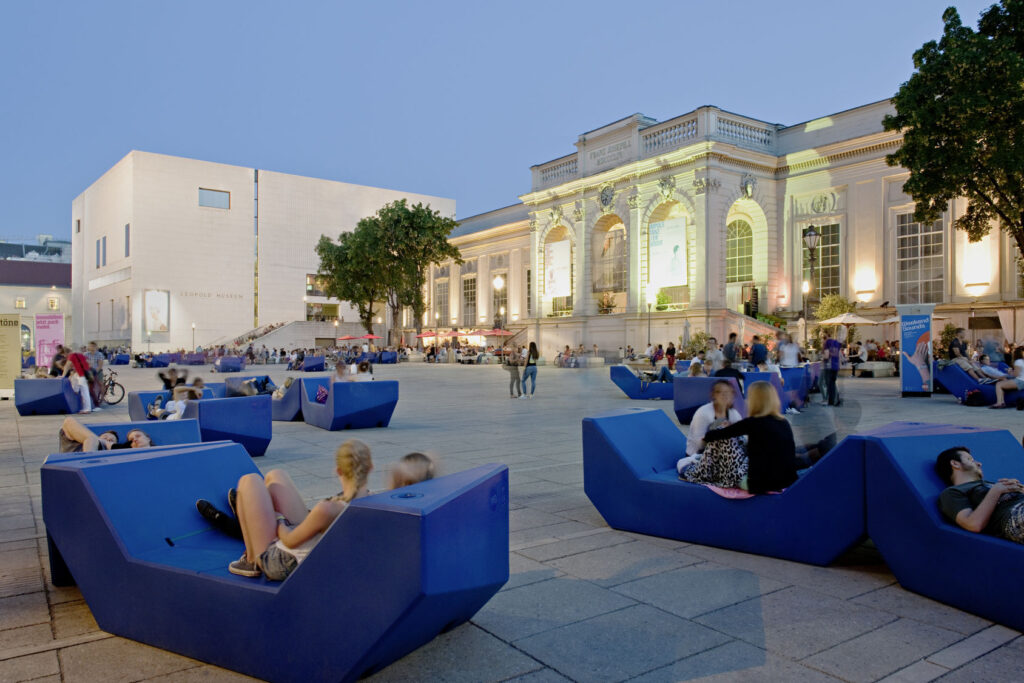
Museums Quartier
The MuseumsQuartier (MQ) is a cultural complex located in the city center of Vienna. With over 60,000 square meters of exhibition space, it stands as one of the largest cultural and arts complexes in the world.
Some of the notable institutions within MuseumsQuartier include the Leopold Museum, MUMOK (Museum of Modern Art Ludwig Foundation Vienna), Kunsthalle Wien (Art Hall Vienna), Architekturzentrum Wien (Architecture Center Vienna), and Zoom Kindermuseum (Zoom Children’s Museum). The complex provides a vibrant and dynamic hub for cultural exploration and artistic experiences in the heart of Vienna.
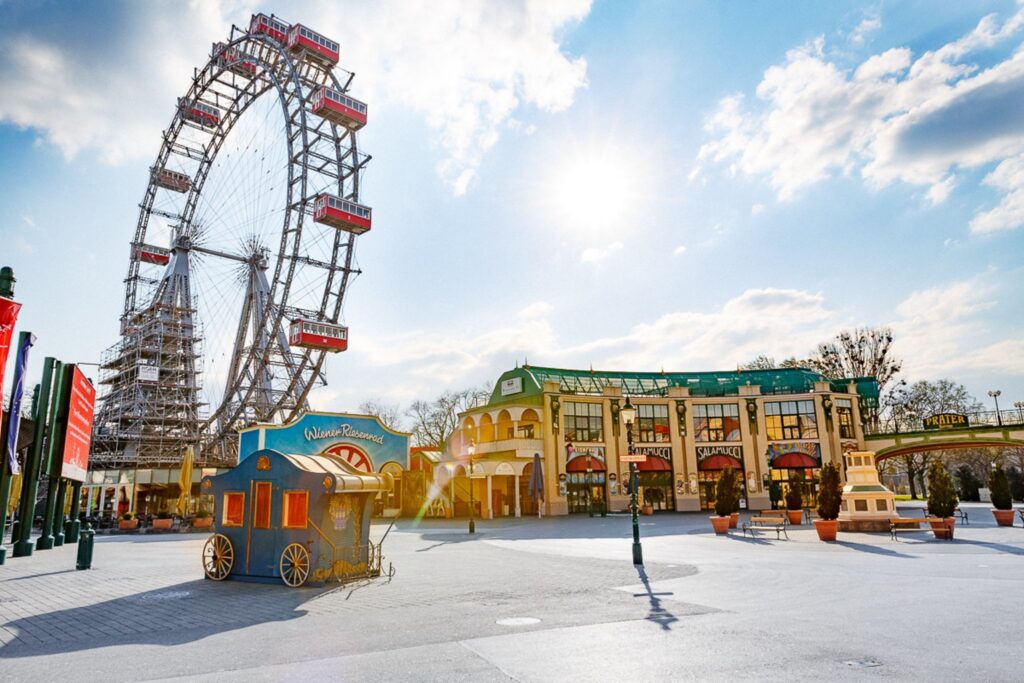
Prater
One of the oldest amusement parks globally, also known as Wurstelprater, Vienna’s Prater is open seasonally from March to October. However, the world-renowned Giant Ferris Wheel and several other attractions are open year-round.
The park features a variety of rides, slides, carousels, ghost trains, a Madame Tussauds wax cabinet, and much more. In addition to the rides, you can find traditional Viennese restaurants, souvenir shops, and over 250 different stalls. There is no entrance fee, but you need to pay for the specific ride you choose.

Tiergarten Schönbrunn
The Vienna Zoo, also known as Tiergarten Schönbrunn, is one of the oldest zoos in the world and is located on the grounds of Schönbrunn Palace. It was founded in 1752 and is known for its commitment to animal conservation, research, and education.
The zoo houses a diverse collection of animals, including many rare and endangered species. Visitors can explore themed areas such as the Rainforest House, the South America Area, the Polarium, and the Giant Panda Garden.
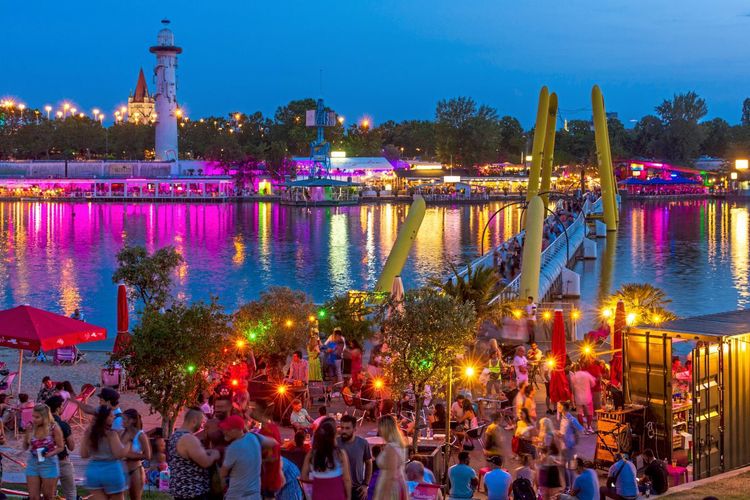
Donauinsel
One of Vienna’s favorite recreational and open spaces is Donauinsel. It is a long, narrow island situated in the Danube River. Donauinsel is the perfect spot for those who enjoy walking, cycling, running, or skating. It is a versatile urban oasis, offering a blend of nature, recreation, and entertainment in the heart of Vienna.
But that’s not all – it is surrounded by a fine gravel beach, which, during the summer days, is filled with people seeking places to cool off, barbecue, and enjoy outings. It is also home to numerous pubs, restaurants, and bars that bring the area to life.
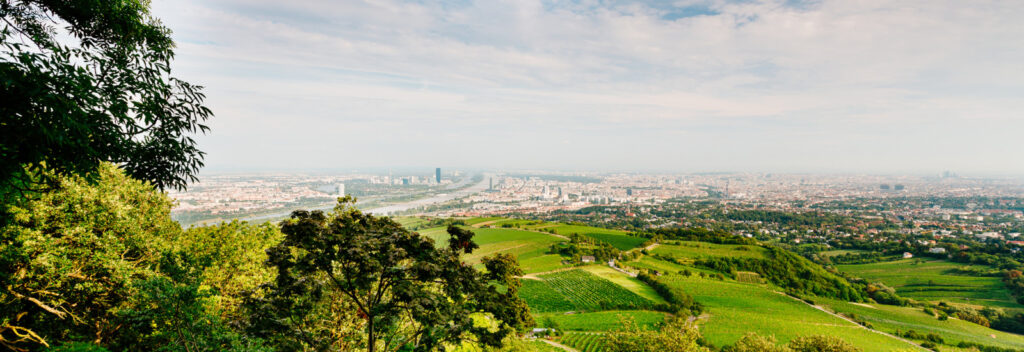
Kahlenberg
Immediately outside Vienna is Kahlenberg, a hill situated in the Vienna Woods, providing an extraordinary view of the entire city. It is easily accessible by public transportation, but hiking uphill is recommended, taking about an hour. Enjoy the hike with views of Vienna that will captivate you more with every step.
One-Day Excursions from Vienna
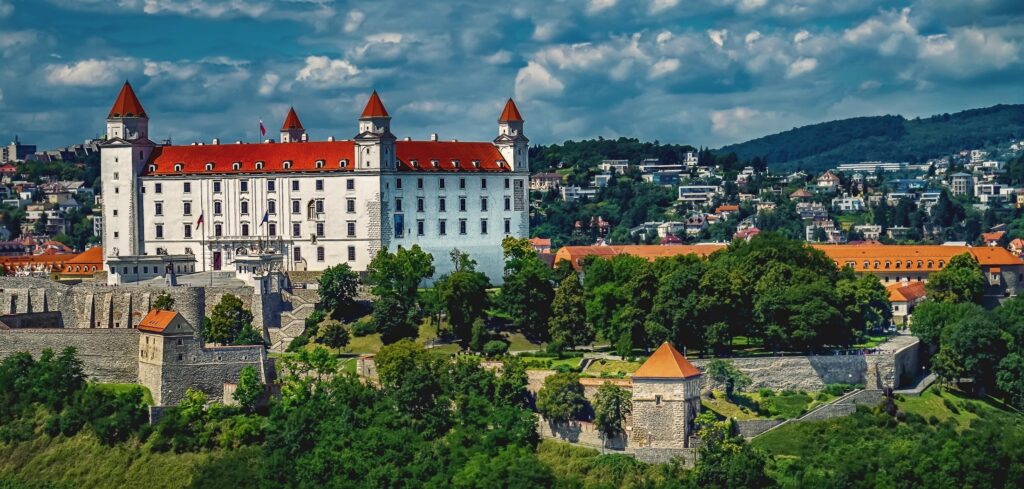
Bratislava: Just an hour away from Vienna is the capital of Slovakia – Bratislava. Start your city tour in the center, where you’ll find the Old Town Hall housing the Bratislava City Museum, Michael’s Gate from the original medieval fortifications, and numerous restaurants and cafes. Another popular attraction is the Grassalkovich Palace, where the Slovak president resides, and, of course, Bratislava Castle.
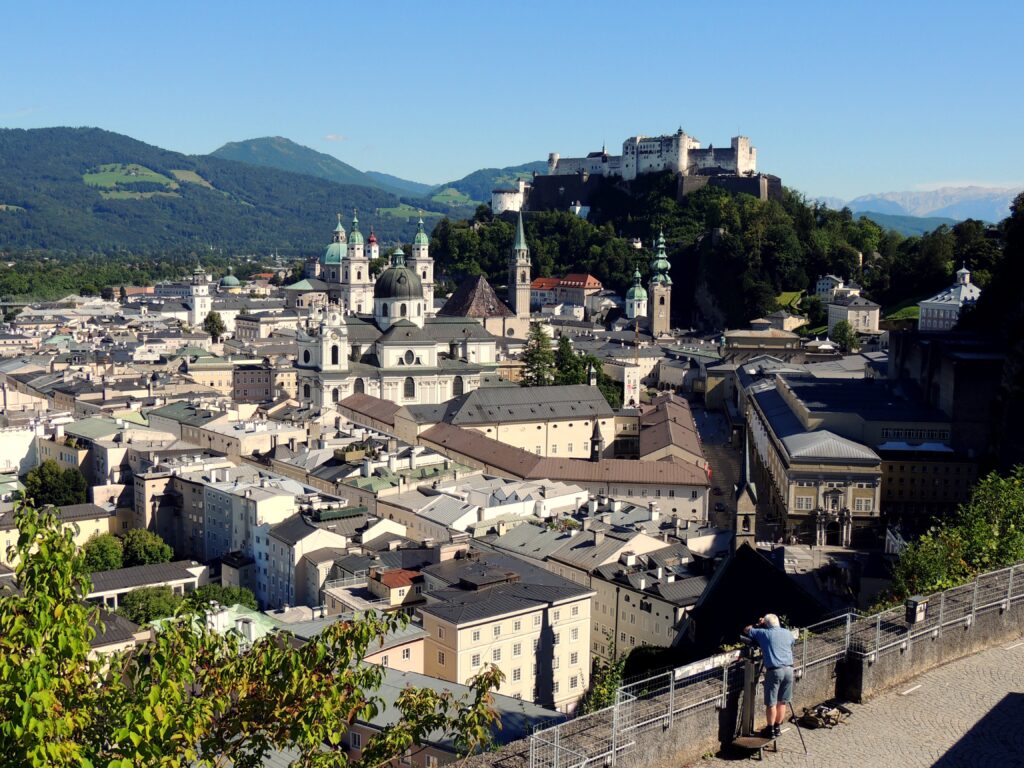
Salzburg: Home to Mozart and located in the heart of the Alps, Salzburg is about a two-hour drive from Vienna. Stroll through the Old Town and enjoy the magnificent baroque architecture near Salzburg Cathedral. Other important landmarks include Mozart’s birthplace, the Mirabell Palace and Gardens, and Hohensalzburg Castle.
Wachau Valley: An hour’s drive from Vienna lies the Wachau Valley, stretching 40 km between the towns of Krems and Melk. Considered one of the most beautiful parts of Austria, whether exploring on foot or by bike, car, or cruising down the river, the valley will leave you speechless. In addition to its natural beauty, the valley is home to numerous landmarks such as Melk Abbey and Göttweig Abbey.
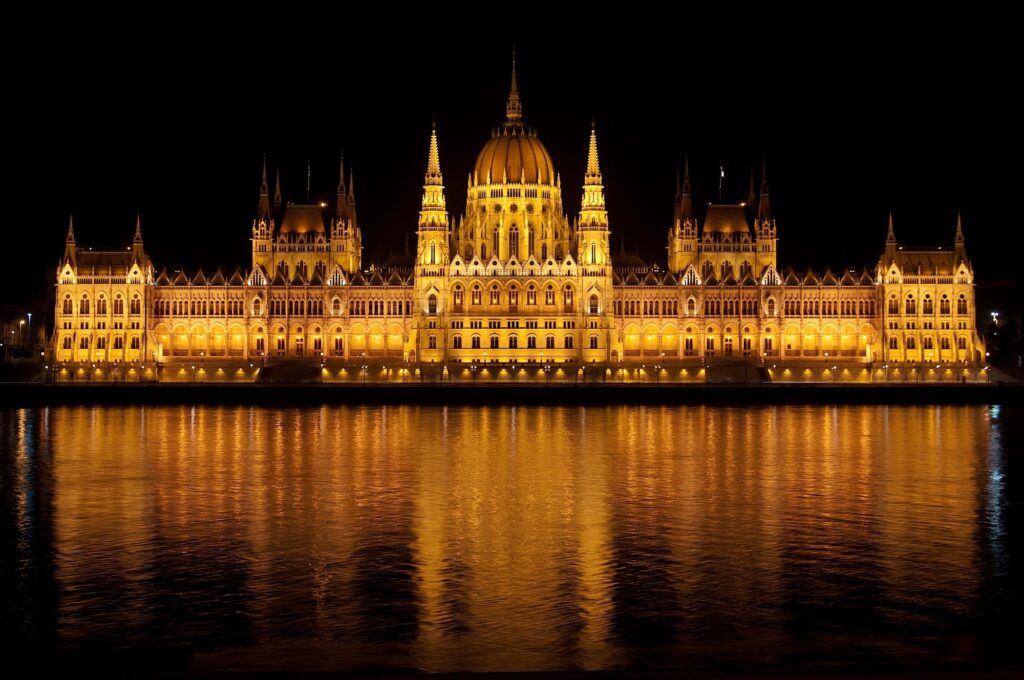
Budapest: The capital of Hungary, Budapest, is a bit further from Vienna. It takes about 2.5 hours to get there, but the beauty of the city will make up for it. Budapest is known for its Turkish baths, the magnificent Parliament building, the impressive Buda Castle, the Chain Bridge, and many other attractions that are definitely worth a visit.
Prague: Another capital easily accessible from Vienna! Don’t miss the chance to admire the breathtaking architecture that earned Prague’s Old Town a spot on UNESCO’s World Heritage list. From Charles Bridge and the Jewish Quarter to Prague Castle and St. Vitus Cathedral, the Czech capital is a long but rewarding day trip.
Eisenstadt: Less than an hour away, Eisenstadt is the capital of Burgenland. Visit Esterházy Palace, where Haydn served as court musician, and explore the charming town.
Laxenburg Palace: Located just outside Vienna, Laxenburg Palace and its beautiful park are ideal for a relaxed day trip. The park features lakes, gardens, and historical buildings.
Shopping
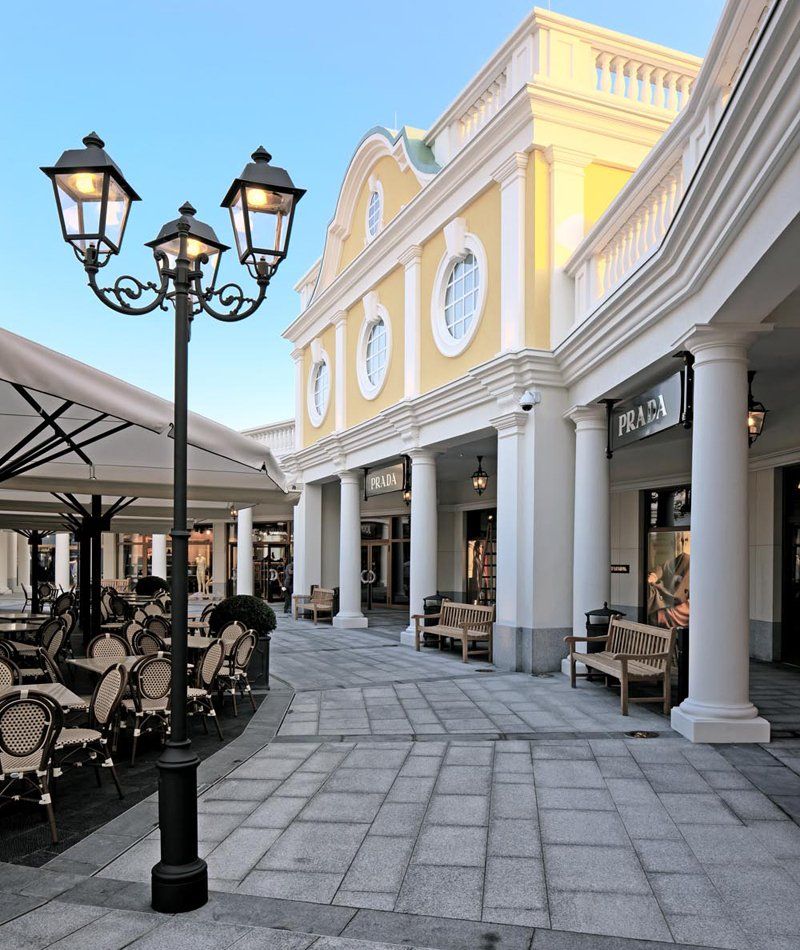
Vienna may not be as renowned a fashion capital as Paris or Milan, but it offers more than enough places for shopping. If you’re interested in luxury brands like Louis Vuitton, Emporio Armani, Gucci, etc., visit the Goldenes Quartier in the city center. Kolmarkt is a historic Vienna shopping street where you can find high fashion and fine jewelry. Near Kolmarkt is Graben, one of the most popular streets in Vienna.
Here, you can find a mix of luxury brands, antique items, and souvenir shops. Another well-known shopping street is Kärntner Strasse, where you can find stores ranging from the most luxurious brands to more basic ones. However, the longest and most popular shopping street is Mariahilfer Strasse, where you can discover over 200 stores offering various brands and types, from furniture stores and shoe shops to regular clothing stores.
One of the largest shopping centers in Europe is Shopping City Süd (SCS) with over 330 stores. Other popular malls include Donau Zentrum, Millennium City, Lugner City, and Shopping Center Nord.
Currency Exchange
Like in most European countries, the official currency in Austria is the Euro (€). The fastest and most convenient option for obtaining euros is to use ATMs for cash withdrawal. ATMs are widespread throughout the city, but be aware that you may face ATM fees charged by your bank. You can also exchange money at currency exchange offices or banks, but these options may be more expensive due to high exchange rates, especially in the city center. The best way to avoid these issues is to carry euros and use credit cards for payments in bars, restaurants, and other public places. Additionally, be cautious about exchanging money with individuals on the street, as this can pose a risk of fraud.